Understanding Mini Split AC Units: What You Need to Know
As summers become increasingly hotter and winters more unpredictable, many homeowners are looking for effective solutions to maintain comfortable indoor temperatures year-round. One popular choice gaining traction is the mini split ac unit. Compact, efficient, and versatile, these systems offer an alternative to traditional central air conditioning and heating systems. In this comprehensive guide, we'll explore everything you need to know about mini split AC units, from their fundamental features and benefits to installation tips and emerging trends in technology.
What is a Mini Split AC Unit?
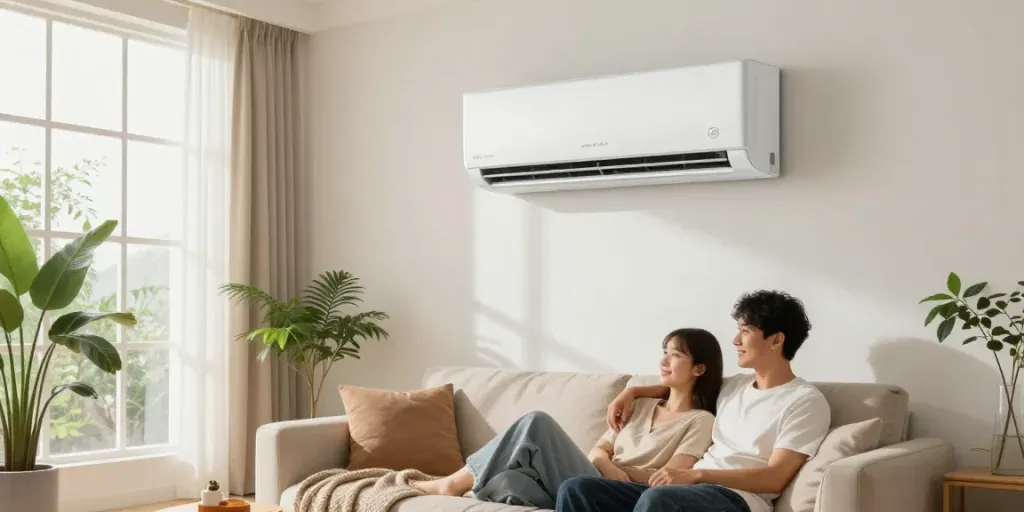
A mini split air conditioning unit, or ductless mini-split, is a type of HVAC system designed to provide both heating and cooling without the need for ductwork. These units consist of two main components: an outdoor compressor and one or more indoor air-handling units. The flexibility of mini splits allows them to condition individual rooms or zones within a home, making them ideal for providing tailored comfort levels in different areas.
Key Features and Components
- Indoor Unit: The indoor units are typically mounted on walls or ceilings and are responsible for circulating conditioned air.
- Outdoor Unit: Contains the compressor and condenser, which expel heat outside during cooling and draw heat from the outside during heating.
- Refrigerant Lines: Connect the indoor and outdoor units, allowing the flow of refrigerant to facilitate heat exchange.
- Remote Control: Most mini split systems come with a remote control for convenient operation and temperature setting.
- Multi-Zone Capability: Many models can support multiple indoor units connected to one outdoor unit, providing customized climate control for various rooms.
Advantages Over Traditional AC Systems
Mini split AC units offer several advantages over conventional HVAC systems:
- Energy Efficiency: Mini splits generally have higher energy efficiency ratings (SEER) than traditional systems, leading to reduced electricity bills.
- Quiet Operation: Many models operate at sound levels as low as 19 dB, making them quieter than window units or central air systems.
- Flexible Installation: Without the need for ductwork, installation is often simpler, resulting in lower labor costs and less disruption to your home.
- Improved Air Quality: Mini splits typically have advanced filtration systems that can reduce allergens and pollutants in the air.
- Targeted Comfort: With the ability to control the temperature in individual rooms, homeowners can maintain comfort without wasting energy on unoccupied spaces.
Common Misconceptions About Mini Split AC Units
Myth 1: They're Too Expensive to Install
One of the most persistent myths surrounding mini split AC systems is that they are prohibitively expensive to install. While the upfront cost may be higher than window units, the energy savings over time often offset the initial investment. Additionally, the efficiency and longevity of mini splits can make them a cost-effective option in the long run.
Myth 2: They Don't Provide Sufficient Cooling
Another common misconception is that mini splits lack the power to cool large spaces effectively. However, with the right sizing and installation, these units can effectively cool and heat areas that traditional systems struggle to manage, especially when dealing with room additions or spaces without ductwork.
Myth 3: Noise Levels Are High
While it's true that older mini split models may have had noise issues, advancements in technology have led to much quieter units. Many modern mini split systems feature noise-reduction technology, ensuring a peaceful environment for homeowners.
Choosing the Right Mini Split AC Unit for Your Home
Assessing Your Cooling Needs
Choosing the right mini split AC unit involves assessing your specific cooling needs. Consider the size of the space you want to cool, the number of rooms, and the climate in your area. Performing a heat load calculation can help determine the appropriate BTU (British Thermal Unit) rating for optimal performance.
Energy Efficiency Ratings Explained
When selecting a mini split unit, pay attention to its energy efficiency ratio (EER) and seasonal energy efficiency ratio (SEER). Higher ratings indicate better energy efficiency, which translates to lower operating costs over time. Look for models that meet or exceed Energy Star ratings to ensure you are making a wise investment.
Best Brands and Models for 2026
As new technology emerges, certain brands and models continue to dominate the market. Brands like Mitsubishi, Fujitsu, and LG routinely receive high marks for reliability, efficiency, and performance. Research current reviews and user experiences to find the best unit suited to your needs in 2026.
Installation Process and Best Practices
DIY vs. Professional Installation
Installing a mini split system can be done as a DIY project if you have the necessary skills and tools. However, hiring a professional is often advisable to ensure proper installation, especially for electrical and refrigerant considerations. A poorly installed system can lead to inefficiencies and costly repairs down the road.
Common Installation Mistakes to Avoid
- Improper Sizing: Choosing a unit that is too small or too large can lead to inefficiencies.
- Ignoring Local Codes: Always check local regulations to ensure compliance during installation.
- Incorrect Refrigerant Charge: An improper refrigerant level can affect performance and energy efficiency.
Maintenance Tips for Longevity
Regular maintenance is crucial for keeping your mini split system running efficiently. Clean or replace filters every few months, inspect the outdoor unit for debris, and schedule professional maintenance at least once a year. This not only prolongs the lifespan of your unit but also enhances indoor air quality.
Future Trends in Mini Split Technology
Emerging Features in 2026 Models
As technology advances, newer mini split models are expected to include features such as enhanced cooling technologies, improved Wi-Fi connectivity, and integration with smart home systems. These features allow for greater control over your indoor climate and convenience in operation.
Smart Home Integration Possibilities
With the rise of smart home technology, many mini split systems are now compatible with smart thermostats and home automation systems. This integration provides added control over your energy use and indoor comfort levels, making it easy to adjust settings from your smartphone or other connected devices.
Sustainability and Energy Efficiency Goals
With growing concerns about climate change and energy consumption, manufacturers are placing a stronger emphasis on sustainability. Look for mini split systems designed with environmentally friendly refrigerants and advanced energy-saving technologies to minimize your carbon footprint.