Understanding TradingView's Key Features
In today's fast-paced trading environment, having a comprehensive platform that consolidates various market data into a user-friendly interface is crucial for success. TradingView stands out as an integrated solution that caters to traders and investors across stocks, forex, cryptocurrencies, and derivatives. This article explores the essential features of TradingView, focusing on how to effectively utilize them for an optimized trading experience.
Overview of TradingView's Interface
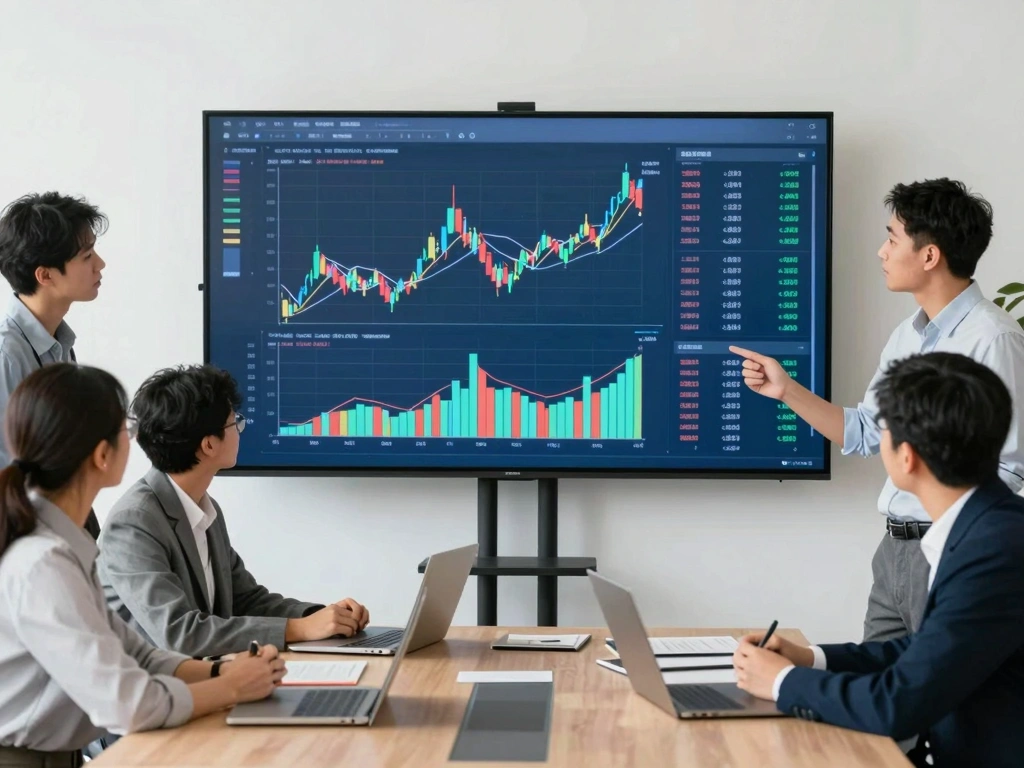
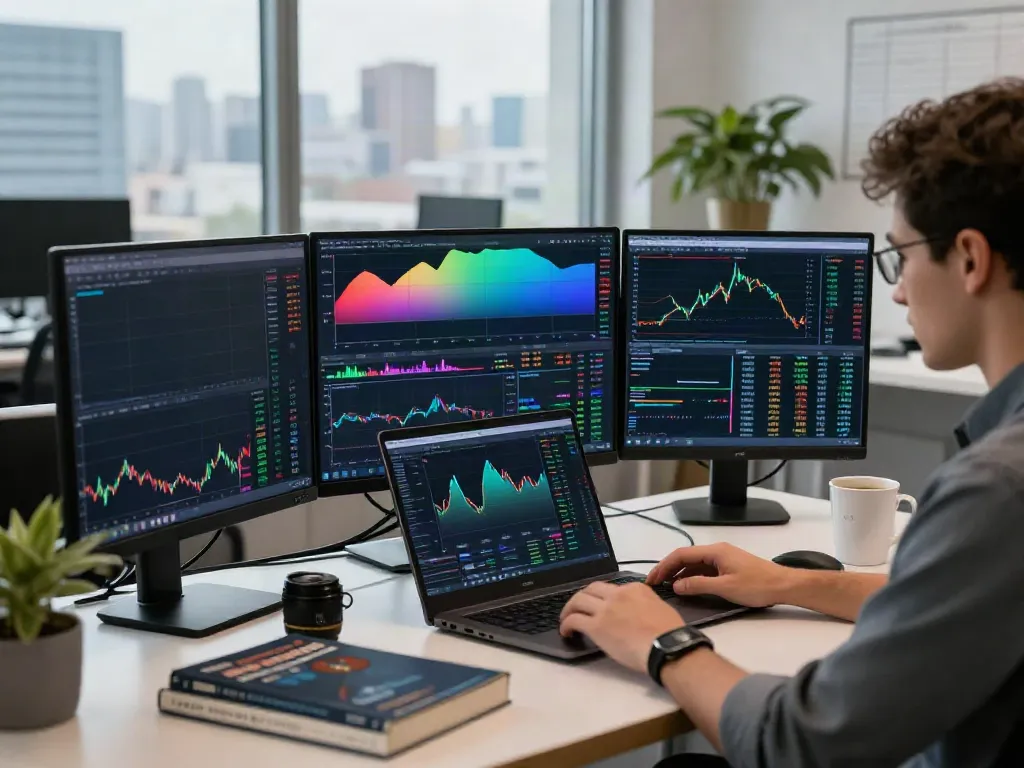
TradingView's interface is designed to be intuitive yet highly functional. On entering the platform, users are greeted with a customizable dashboard that allows them to arrange charts, indicators, and tools according to their trading style. The multi-layout capabilities enable traders to monitor multiple assets simultaneously, making it easier to spot trends and anomalies across different markets.
Market Coverage and Asset Classes
TradingView provides extensive market coverage, enabling users to analyze a wide range of asset classes, including:
- Stocks: Access to major global stock exchanges, including NYSE and NASDAQ.
- Forex: Comprehensive resources for major and minor currency pairs.
- Cryptocurrencies: Real-time tracking of Bitcoin, Ethereum, and thousands of altcoins.
- Derivatives: Information on futures and options to enhance trading strategies.
Such diversity allows traders to efficiently switch between assets without the need for multiple platforms.
Integrating Alerts and Notifications
One of the standout features of TradingView is its robust alert system. Traders can set alerts based on price movements, technical indicators, or custom criteria defined using Pine Script. These alerts can be received via email or in-app notifications, ensuring that users never miss critical trading opportunities. This integration allows for a proactive rather than reactive trading strategy, significantly improving decision-making effectiveness.
Setting Up for Success with TradingView
To maximize the benefits of TradingView, users must set up the platform to match their trading preferences and strategies. Understanding how to create tailored setups can be the difference between trading efficacy and inefficiency.
Creating Customized Charts
TradingView excels in its charting capabilities, allowing users to create highly customized chart displays. Traders can choose from various chart types, including candlestick, line, and bar charts, each offering unique insights into price movements. Additionally, users can overlay various indicators to enhance analysis. For instance, combining MACD with volume indicators can provide a more nuanced view of market momentum.
Utilizing Technical Indicators Effectively
Leveraging technical indicators is essential in forming a comprehensive trading strategy. TradingView provides a robust library of indicators, including moving averages, RSI, and Bollinger Bands. Understanding how to apply these indicators can greatly enhance a trader's ability to make informed decisions. For instance, using a moving average crossover strategy can help identify potential entry and exit points in trending markets.
Best Practices for Strategy Testing
With features like the Strategy Tester, users can backtest their trading strategies against historical data to assess viability before trading live. A systematic approach to testing methodologies can save traders from costly mistakes. By analyzing metrics such as win rate and maximum drawdown, traders can refine their strategies for better future performance.
Building a Trading Routine with TradingView
Establishing a disciplined trading routine can significantly improve trading results. Using TradingView’s tools to structure a daily routine can help streamline the trading process.
Establishing a Personalized Watchlist
Creating a watchlist is a powerful way to focus on assets of interest. Users can easily customize their watchlists within TradingView based on performance metrics, personal preferences, or specific trading strategies. A well-curated watchlist makes it easier to monitor key movements without becoming overwhelmed by market noise.
Incorporating Community Insights
TradingView hosts an active community of traders who share insights and trading ideas. Engaging with community discussions can provide valuable perspectives and enhance individual trading strategies. Users can explore public scripts and strategies that have been validated by peers, allowing for quicker learning and adaptation.
Utilizing Pine Script for Custom Alerts
Pine Script is TradingView's proprietary programming language that allows users to create custom indicators and alerts tailored to specific trading strategies. This level of customization opens up a world of possibilities, enabling traders to automate aspects of their trading and focus on strategy refinement and execution.
Analyzing Market Behavior Using TradingView
Effective market analysis is key to successful trading, and TradingView offers various tools to support this analysis.
Identifying Key Trading Signals
With TradingView's array of indicators and alert functionalities, identifying key trading signals becomes easier and more efficient. For instance, employing Fibonacci retracement levels alongside momentum indicators can highlight potential support or resistance zones in the market.
Executing Trades Based on Alerts
With real-time alerts configured, trading decisions can be made swiftly and accurately. Utilizing alerts triggered by specific market conditions ensures that traders are always aligned with market changes. This immediacy is essential in fast-moving markets, where information can quickly become outdated.
Reviewing Past Performance Metrics
Constantly reviewing past performance is critical for ongoing improvement. TradingView provides detailed analytics on trade history, enabling users to learn from their successes and mistakes. By analyzing performance metrics, such as risk-reward ratios and average trade duration, traders can tweak their strategies for better outcomes.
Future Trends in Trading and Technology
As trading technology continues to evolve, staying abreast of trends is vital for traders looking to maintain an edge in the market.
Emerging Features in TradingView for 2026
TradingView is continuously rolling out new features to enhance user experience. In 2026, we can expect further advancements in AI-driven analytics tools, enabling traders to generate insights based on large datasets automatically. These innovations aim to reduce manual effort while enhancing decision-making quality.
AI and Machine Learning in Trading
Artificial intelligence and machine learning technologies are increasingly being utilized in trading platforms like TradingView. These technologies can analyze historical patterns and predict future price movements, helping traders make informed predictions. The integration of machine learning tools could soon become standard practice in trading.
Predictions for Market Analysis Tools
The future of market analysis tools looks promising, with trends indicating a more interconnected trading ecosystem. The ability to seamlessly integrate third-party analysis tools into TradingView may provide users with richer insights and enhanced functionality.
Is TradingView actually free?
TradingView offers a free tier with a variety of capabilities, although some advanced features require a paid subscription. Users can access charts, basic indicators, and community scripts without cost, making it an attractive option for beginner traders.
Can you make $1000 a day with day trading?
While making $1000 a day is possible, it typically requires a considerable amount of capital, rigorous strategy, and discipline. Many factors, including market conditions and risk management, play crucial roles in achieving such income levels.
Can you trust TradingView?
TradingView is considered a reputable platform within the trading community, known for its reliability and extensive user base. It is essential, however, for traders to conduct due diligence and ensure they fully understand the tools and features available.
What's better than TradingView?
The answer to this question largely depends on individual needs and trading styles. Some traders might prefer platforms like MetaTrader for forex trading, while others may find that TradingView's community features suit them best.
TradingView download?
TradingView is primarily web-based, enabling users to access the platform from any browser. However, native applications are available for desktop and mobile devices, allowing for a seamless trading experience on the go.