Understanding Water Treatment Systems
As industries grapple with growing environmental regulations and the demand for sustainable practices, the role of effective water treatment systems has never been more critical. These systems not only ensure compliance with local and international standards but also play a significant role in preserving our planet's most precious resource. For businesses seeking reliable, efficient solutions, partnering with a reputable Water Treatment Equipment Manufacturer is essential. This article delves into the various facets of water treatment technologies, equipping you with the knowledge to make informed decisions.
What is Water Treatment Equipment?
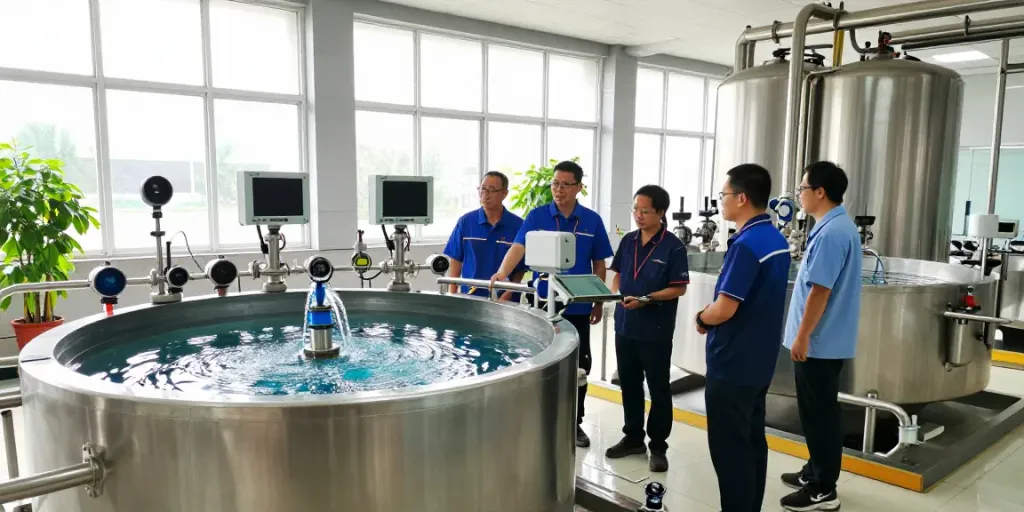
Water treatment equipment encompasses a variety of technologies designed to purify, recycle, and manage water. This equipment is indispensable across numerous industries, including chemical, food production, and municipal services. The core objective of water treatment equipment is to remove contaminants from water sources, ensuring safe and compliant water for various applications.
Types of Water Treatment Technologies
- Filtration Systems: These systems use physical barriers to separate contaminants from water. Common methods include sand filtration, membrane filtration, and reverse osmosis.
- Disinfection Technologies: Utilizing chemical agents like chlorine or ultraviolet (UV) light ensures that harmful microorganisms are eradicated from the water.
- Advanced Oxidation Processes: Techniques like ozonation or Fenton’s reaction help break down complex organic pollutants, making them easier to treat.
- Modular Water Treatment Systems: These adaptable systems offer flexibility in installation and operation, making them suitable for a variety of applications and scales.
Key Benefits of Modular Systems
Modular systems have gained traction due to their versatility and efficiency. They allow for:
- Scalability: Businesses can start with a smaller unit and expand as their needs grow.
- Cost Efficiency: Reduced capital investment and lower operational costs make them an attractive choice for many companies.
- Quick Deployment: Modular systems can be installed and operational in a fraction of the time compared to traditional systems.
Evaluating Potential Manufacturers
Choosing the right water treatment equipment manufacturer is crucial for ensuring you receive a system that meets your specifications and compliance needs. Here are key considerations:
Criteria for Selecting a Water Treatment Equipment Manufacturer
- Industry Experience: Look for manufacturers with a proven track record in your specific industry.
- Product Range: A diverse portfolio demonstrates the manufacturer’s capability to address different water treatment challenges.
- Customer Support: Evaluate the level of technical support and service offered post-purchase.
Assessing Manufacturer Experience and Expertise
In the water treatment industry, experience matters. A manufacturer with years of expertise will likely have encountered a wide array of challenges and solutions. Investigate their history and case studies that showcase successful implementations of their systems.
Reading Reviews and Testimonials
Client feedback can provide insights into the quality of a manufacturer’s products and services. Look for reviews on industry-specific forums or seek out case studies where companies have effectively used specific equipment.
QILEE's Unique Offerings
QILEE Group stands out as a reliable partner for all water treatment needs, thanks to its innovative solutions tailored for diverse industries.
Understanding QILEE's Modular Systems
QILEE’s modular systems are designed with adaptability in mind. They integrate seamlessly into existing infrastructure and can be customized to meet specific requirements, whether for treatment capacity or type of contaminants.
Advanced Integrated Chemical Process Systems
Among QILEE’s flagship offerings is the Integrated Chemical Process System, a sophisticated solution that enhances the precision and reliability of chemical dosing. By employing advanced sensors and intelligent algorithms, these systems optimize chemical use, minimizing waste and maximizing safety.
Innovative Containerized Water Treatment Solutions
Containerized water treatment systems offer an excellent solution for industries needing quick deployment and flexibility. These portable units come pre-assembled and can be transported readily to remote locations, making them ideal for situations where traditional infrastructure is impractical.
Performance Metrics in Water Treatment
Setting up a water treatment system is just the beginning; evaluating its performance is crucial for ongoing efficiency and compliance. Here’s how:
Key Performance Indicators for Water Treatment Systems
- Water Quality: Regular testing for contaminants, pH levels, and other critical metrics is essential.
- System Efficiency: Monitoring how well the system performs vs. its design capacity helps identify potential issues.
- Operational Costs: Keeping track of energy and maintenance expenses will help determine the cost-effectiveness of the system.
How to Measure Efficiency and Effectiveness
Efficiency can be gauged using various metrics, such as energy consumption relative to water treated or the amount of waste generated. Using advanced monitoring technologies can streamline this process.
Case Studies: Success Stories with QILEE Equipment
Several industries have successfully integrated QILEE systems, showcasing their reliability and effectiveness in real-world applications. Case studies highlight significant reductions in operational costs and enhancements in water quality, ultimately improving compliance and sustainability outcomes.
Future Trends in Water Treatment Equipment
As we move toward 2026 and beyond, several trends are set to reshape the landscape of water treatment technology:
Emerging Technologies in 2026 and Beyond
Technologies such as AI and IoT are being integrated into water treatment systems, enabling remote monitoring and predictive maintenance to enhance operational efficiency.
Sustainability and Environmental Compliance
With increasing focus on sustainability, water treatment systems are being designed to minimize environmental impact, emphasizing the recycling and repurposing of wastewater.
Integrating Smart Technologies in Water Treatment
Smart technologies will play a significant role in revolutionizing how water treatment plants operate, from automated process controls to real-time data analytics, ensuring systems are not just effective but also efficient.
What should I consider when choosing a water treatment equipment manufacturer?
Consider the manufacturer's reputation, product offerings, industry expertise, customer support, and ability to provide tailored solutions that meet specific needs.
How does modular design improve water treatment efficiency?
Modular design enhances efficiency by allowing for scalability, rapid installations, and customization, optimizing the treatment process according to changing needs.
What are the future trends in the water treatment industry?
Emerging technologies, sustainability practices, and smart integration are set to define future trends in the water treatment industry, aligning with global environmental goals.
How can I assess the quality of water treatment systems?
Regular performance evaluations, including water quality tests, system efficiency metrics, and maintenance records, are crucial in ensuring that your water treatment system meets required standards.
What are the advantages of integrated chemical process systems?
Integrated chemical process systems provide precise control, reduced chemical consumption, and enhanced safety, making them vital for industries with stringent quality requirements.